We use cookies to ensure our site functions properly and to store limited information about your usage. You may give or withdraw consent at any time. To find out more, read our privacy policy and cookie policy.
Manage Cookies
A cookie is information stored on your computer by a website you visit. Cookies often store your settings for a website, such as your preferred language or location. This allows the site to present you with information customized to fit your needs. As per the GDPR law, companies need to get your explicit approval to collect your data. Some of these cookies are ‘strictly necessary’ to provide the basic functions of the website and can not be turned off, while others if present, have the option of being turned off. Learn more about our Privacy and Cookie policies. These can be managed also from our cookie policy page.
Strictly necessary cookies(always on):
Necessary for enabling core functionality. The website cannot function properly without these cookies. This cannot be turned off. e.g. Sign in, Language
Analytics cookies:
Analytical cookies help us to analyse user behaviour, mainly to see if the users are able to find and act on things that they are looking for. They allow us to recognise and count the number of visitors and to see how visitors move around our website when they are using it. Tools used: Google Analytics
Geographical and Community Place Names Policy Updates
Share Geographical and Community Place Names Policy Updates on FacebookShare Geographical and Community Place Names Policy Updates on TwitterShare Geographical and Community Place Names Policy Updates on LinkedinEmail Geographical and Community Place Names Policy Updates link
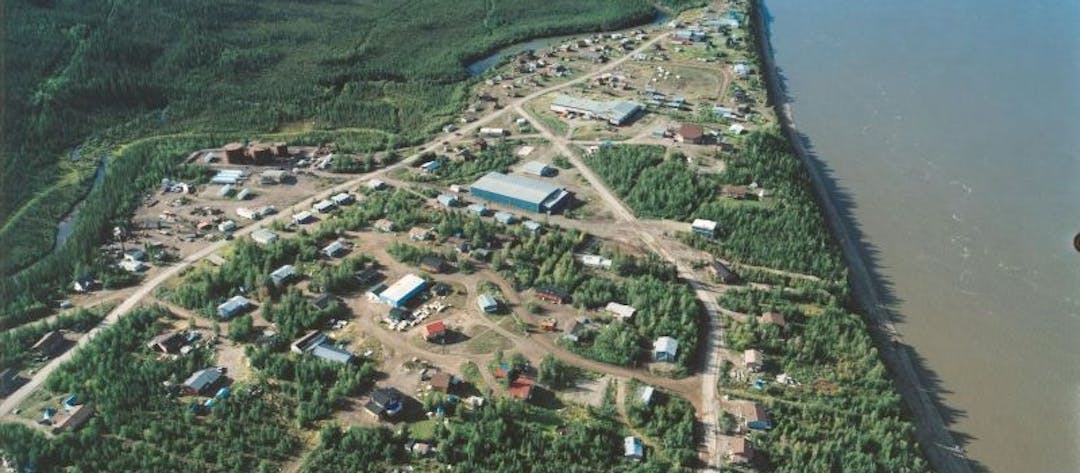
We want your feedback on updates to the Geographical and Community Place Names Policy.
The existing policy is out of date and does not reflect how the Government of the Northwest Territories (GNWT) currently works with Indigenous Governments and the public. These proposed updates will ensure the GNWT’s consistent and clear process for updating geographical and community place names is rooted in national best practices, aligned with the United Nations Declaration on the Rights of Indigenous Peoples (UN Declaration), and reflects our obligations under historic and modern treaties, including land claims and self-government agreements.
The proposed changes include:
Aligning with the UN Declaration and the corresponding GNWT implementation legislation
Respecting place naming under treaties, land claims and self-government agreements
Clarifying the requirements for consultation with, and seeking input from, Indigenous governments and Indigenous organizations
Formalizing the current practice of maintaining an up-to-date, online list of official place names
Authorizing the Minister to create guidelines, and require that guidelines include procedures for requesting and appealing naming decisions
Providing for commemorative names, based on national guidelines, that will only be considered for persons posthumously, after a minimum of five years
Prohibiting the introduction of derogatory names
Have Your Say
We want your feedback on updates to the Geographical and Community Place Names Policy.
NWT residents are invited to review the proposed changes to the the Geographical Place Name Policy. Send your feedback to CulturalPlaces@gov.nt.ca by January 5, 2026.
Background
For more information on the Geographical and Community Place Names Policy, click here.
Next Steps
Your feedback is important. Results will help inform updates to the Policy.
The updated Policy is expected to come into force in 2026.
We want your feedback on updates to the Geographical and Community Place Names Policy.
The existing policy is out of date and does not reflect how the Government of the Northwest Territories (GNWT) currently works with Indigenous Governments and the public. These proposed updates will ensure the GNWT’s consistent and clear process for updating geographical and community place names is rooted in national best practices, aligned with the United Nations Declaration on the Rights of Indigenous Peoples (UN Declaration), and reflects our obligations under historic and modern treaties, including land claims and self-government agreements.
The proposed changes include:
Aligning with the UN Declaration and the corresponding GNWT implementation legislation
Respecting place naming under treaties, land claims and self-government agreements
Clarifying the requirements for consultation with, and seeking input from, Indigenous governments and Indigenous organizations
Formalizing the current practice of maintaining an up-to-date, online list of official place names
Authorizing the Minister to create guidelines, and require that guidelines include procedures for requesting and appealing naming decisions
Providing for commemorative names, based on national guidelines, that will only be considered for persons posthumously, after a minimum of five years
Prohibiting the introduction of derogatory names
Have Your Say
We want your feedback on updates to the Geographical and Community Place Names Policy.
NWT residents are invited to review the proposed changes to the the Geographical Place Name Policy. Send your feedback to CulturalPlaces@gov.nt.ca by January 5, 2026.
Background
For more information on the Geographical and Community Place Names Policy, click here.
Next Steps
Your feedback is important. Results will help inform updates to the Policy.
The updated Policy is expected to come into force in 2026.
Page published: 05 Dec 2025, 01:45 PM
Status
Open
Geographical and Community Place Names Policy Updates is currently at this stage
This engagement is open from December 5, 2025 to January 5, 2025.
Under Review
this is an upcoming stage for Geographical and Community Place Names Policy Updates
Completed
this is an upcoming stage for Geographical and Community Place Names Policy Updates